

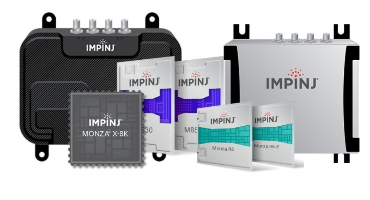
Using Radio Frequency Identification (RFID) in data centres IT assets intelligence systems stands out as one of the most effective methods for identifying equipment such as racks, servers, ports, networking gear (e.g., switches, PDUs, patch panels), and other components. RFID technology enables fast, automated data capture and highly reliable asset identification in the dense, high-stakes environments typical of modern data centres.
Main Benefits & Advantages of RFID in Data Centres:
RFID technology attaches small, durable RFID label tags (often passive UHF RFID labels or specialised on-metal tags) to individual IT assets. These RFID label tags store unique identifiers and other data, which readers (handheld, fixed, or rack-mounted) detect via radio waves without requiring direct line-of-sight or manual alignment.
Main Benefits:
- Automated and Rapid Data Capture — Unlike traditional barcode systems or manual inventories (which require one-by-one scanning or visual checks), RFID readers can simultaneously scan dozens to hundreds of tags in seconds. For example, a technician with a handheld RFID reader can reconcile an entire server rack almost instantly by walking past it, drastically reducing audit times from days or hours to minutes. Fixed readers mounted on racks, doorways, or cabinets enable continuous, real-time monitoring without human intervention.
- Reliable Identification in Challenging Environments — Data centres feature metal racks, dense server layouts, and limited access. RFID performs well here: specialised tags work on metal surfaces, read through non-metallic obstacles, and maintain high accuracy (often 99%+ for location tracking). This minimises errors from misreads, damaged labels, or human oversight common in barcode or manual methods.
- Real-Time Visibility and Location Tracking — Systems provide instant updates on asset location (e.g., which rack, U-position, or even port level), movements, and status. This supports automated detection of misplaced equipment, unauthorised removals, or changes (from rack to floor level). Integration with DCIM (Data Centre Infrastructure Management) software creates a single source of truth for lifecycle tracking—from installation to decommissioning.
- Efficiency Gains Over Alternatives — Manual inventories are slow, labour-intensive, and error-prone. Barcodes require line-of-sight and individual scans, making bulk operations cumbersome in high-density setups. RFID eliminates these limitations, cutting labour costs significantly (e.g., up to 85-90% reduction in inventory time), improving accuracy, and enabling frequent audits without disrupting operations.
Practical Applications in Data Centres
- Servers and Racks — Tags on servers link them to specific rack positions for automated occupancy tracking, utilisation monitoring, and quick reconciliation during maintenance or upgrades.
- Ports and Networking Equipment — While full port-level RFID is emerging (often via tags on patch panels or cables), it enables precise identification of connections, reducing cabling errors and speeding troubleshooting.
- Overall Asset Intelligence — Combined with RTLS (Real-Time Location Systems), RFID supports security (e.g., theft alerts via doorway readers), compliance reporting, maintenance scheduling, and optimisation of space/energy use.
In summary, using RFID technologies transforms IT asset management from a reactive, manual process into a proactive, automated intelligence system, making it particularly powerful for the scale, complexity, and uptime demands of data centres. This leads to reduced downtime, lower operational costs, better resource allocation, and enhanced reliability overall.